Christmas Robin Mug Wrap: A Graphics Asset for Crafts and Holiday Branding
As a brand designer and content marketer with years of experience in visual storytelling, I’m always on the lookout for graphic design assets that can elevate marketing materials without compromising on professionalism or clarity. The Christmas Robin Mug Wrap caught my attention as a unique 3D mug wrap concept with strong seasonal appeal and creative potential. In this review, I’ll walk through how it fits into real-world branding workflows, what kind of audience it resonates with, and where to use it effectively—or avoid it entirely.
First Impressions: Festive Yet Sophisticated
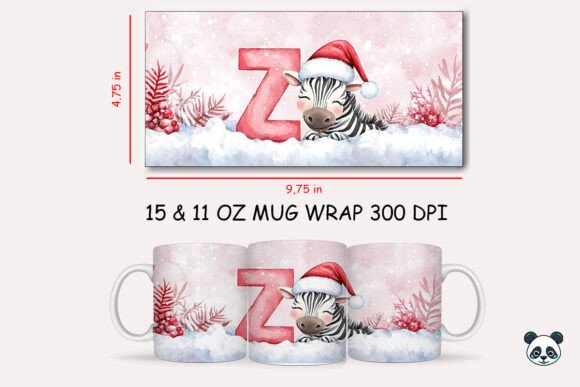
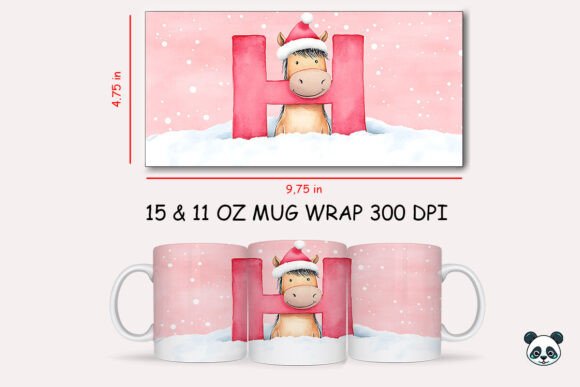
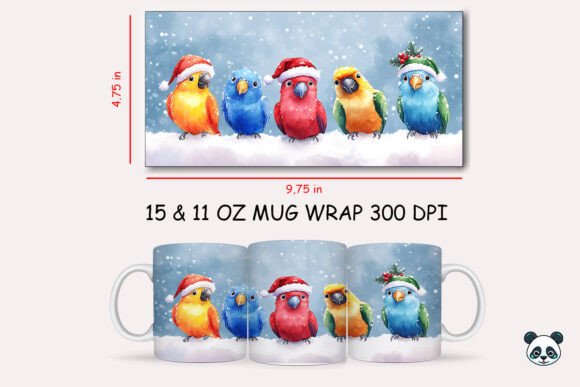
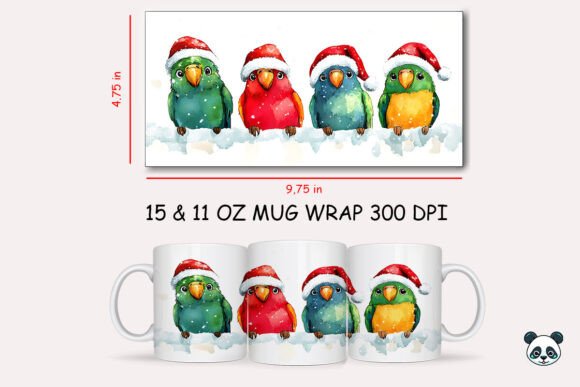
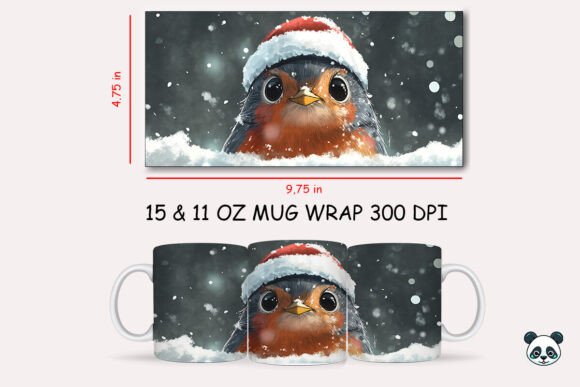
The Christmas Robin Mug Wrap immediately brings a cozy, festive mood. It features a stylized robin perched on a mug, rendered in a clean 3D style that balances holiday cheer with modern aesthetics. This makes it ideal for small business owners and digital sellers who want to create warm, inviting visuals during the winter season. Whether you're designing for handmade products, lifestyle content, or event promotions, the design feels approachable but not cluttered.
What stands out is its emotional tone—playful yet elegant. It doesn’t scream “holiday,” which is perfect for brands aiming to maintain sophistication while still embracing the spirit of the season. The detail in the feathers and the subtle texture on the mug give it a premium feel, suggesting quality craftsmanship and thoughtful design. That’s a big plus when creating packaging inserts or social media graphics that need to reflect value and care.
Branding Applications: From Packaging to Printables
This asset works exceptionally well across multiple touchpoints in a brand’s visual identity. For instance, it can be used as part of a brand identity toolkit, especially if your business aligns with home goods, coffee culture, or seasonal gift items. When placed on a product label or a custom mug design, it adds a personal, handcrafted vibe that appeals to niche audiences looking for authenticity.
In packaging design, the Christmas Robin Mug Wrap can serve as an accent element. Think of using it on a sticker or as part of a printed insert for a holiday-themed product launch. Its 3D depth gives it a tactile illusion, which can enhance the perceived quality of your packaging and make it stand out in a crowded market.
For social media graphics, particularly Instagram posts and Pinterest pins, the design supports a cohesive look. Pair it with minimalist text and a soft color palette to highlight seasonal offers or new arrivals. Its structure allows for easy integration into Canva templates or other drag-and-drop tools, making it accessible for bloggers and publishers who may not have advanced design skills.
Visual Hierarchy and Audience Perception
One of the strengths of the Christmas Robin Mug Wrap is its ability to support visual hierarchy. As a central illustration, it naturally draws the eye and creates a focal point that can be paired with promotional copy. If you're promoting a limited-time offer or launching a new line of mugs, this asset can help establish a clear message without overwhelming the viewer.
It also contributes to audience trust and emotional connection. The imagery evokes nostalgia and warmth, which are powerful triggers for consumer engagement during the holidays. Small businesses in particular can benefit from this, as it helps build a relatable and human brand image that customers respond to positively.
Where It Shines: Campaign Headers and Content Bundles
I’ve found that the Christmas Robin Mug Wrap performs best in hero graphics and campaign headers. It can anchor a product launch page or serve as the main visual in a digital ad. Its boldness makes it suitable for high-impact placements, such as email banners or Facebook ads, where it needs to capture attention quickly.
Another great use case is within content bundles or design kits aimed at digital sellers and creative entrepreneurs. Because it includes sublimation-ready elements, it can easily become part of a larger collection of SVG designs, PNG illustrations, or clipart sets tailored for the holiday season. These types of graphics are essential for those selling in creative marketplaces like Etsy or Creative Market.
For editorial design, the mug wrap can add a decorative flourish to blog headers or website sections highlighting seasonal content. It’s especially effective in lifestyle niches such as wellness, home décor, or artisanal gifts, where visual consistency is key to maintaining brand recognition.
Where to Use With Caution: Corporate and Text-Heavy Contexts
While the Christmas Robin Mug Wrap has many strengths, it's not universally applicable. For formal corporate branding or professional web design, the design might feel too whimsical or out of place. Brands that lean into minimalism should consider whether this asset aligns with their core aesthetic before incorporating it into their visual language.
Similarly, when working on dense information layouts, such as infographics or landing pages with lots of text, the mug wrap could distract from the main message. It’s best reserved for designs where it complements rather than competes with textual content.
Also, be mindful of how it appears in small mobile graphics. The level of detail might get lost on smaller screens, so it’s important to test readability and impact at various sizes. Always preview it on mobile to ensure it maintains its charm and functionality without becoming pixelated or unclear.
Practical Tips for Designers and Marketers
- Test with your brand color palette: Ensure the mug wrap integrates seamlessly with your existing colors. Adjust hues or saturation levels to maintain visual harmony.
- Check black and white usage: While the design looks vibrant in color, evaluate how it holds up in grayscale. This is crucial for printables or merchandise where color reproduction might vary.
- Place it in real campaign mockups: See how it functions in actual marketing scenarios—whether as a Facebook ad banner or a header for a holiday blog post.
- Preview on mobile screens: Optimize the layout so the illustration remains prominent even when viewed on smartphones.
- Test readability in small sizes: If using it alongside text, verify that legibility isn’t compromised when scaled down.
- Compare against competitor visuals: Determine how it stacks up against similar holiday-themed assets in terms of uniqueness and professional appearance.
- Font pairing experiments: Try combining the design with serif, sans serif, script, handwritten, and display fonts to find the most harmonious combinations.
- Review spacing and balance: Avoid overcrowding by giving the illustration room to breathe around it. Balance is critical for maintaining a clean and modern design.
- Confirm commercial licensing: Before using it in paid campaigns, client work, or branded materials, always check the licensing terms to avoid legal issues later on.
Supporting Marketing Goals Through Visual Consistency
Using the Christmas Robin Mug Wrap strategically can help achieve several marketing goals. It enhances the first impression of your materials, especially when combined with complementary illustrations or typography. This is vital for lead magnets and media kits where initial impact matters.
By integrating this asset consistently across your promotional banners and branded templates, you can strengthen brand recognition. Repeating the same visual motif in different contexts—like on a personalized mug and a social media cover—helps audiences associate the imagery with your brand over time.
Its versatility also supports emotional connection with your target demographic. For example, a lifestyle brand targeting moms or coffee lovers could use this design to evoke comfort and tradition. Meanwhile, online coaches or digital product creators might use it to add a festive touch to seasonal course launches or webinar promotions.
Conclusion: A Valuable Addition to Your Graphic Design Toolkit
The Christmas Robin Mug Wrap is more than just a pretty illustration—it’s a versatile graphic design asset that can enhance the visual storytelling of your marketing efforts. When used thoughtfully, it supports stronger first impressions, clearer visual hierarchy, and a more consistent brand identity. It’s especially useful in crafts-focused ventures, where the blend of artistry and function is key.
However, like any design element, it requires careful consideration. Don’t force it into every project; instead, let it shine in places where it naturally complements your message and tone. By doing so, you’ll leverage its full potential to create memorable campaign visuals and boost engagement with your audience.